
Site suitability
Roof condition, shade, access and electrical infrastructure are assessed before the design is finalised.
Explore compatible battery storage and backup options, with clear guidance on what your system can support.
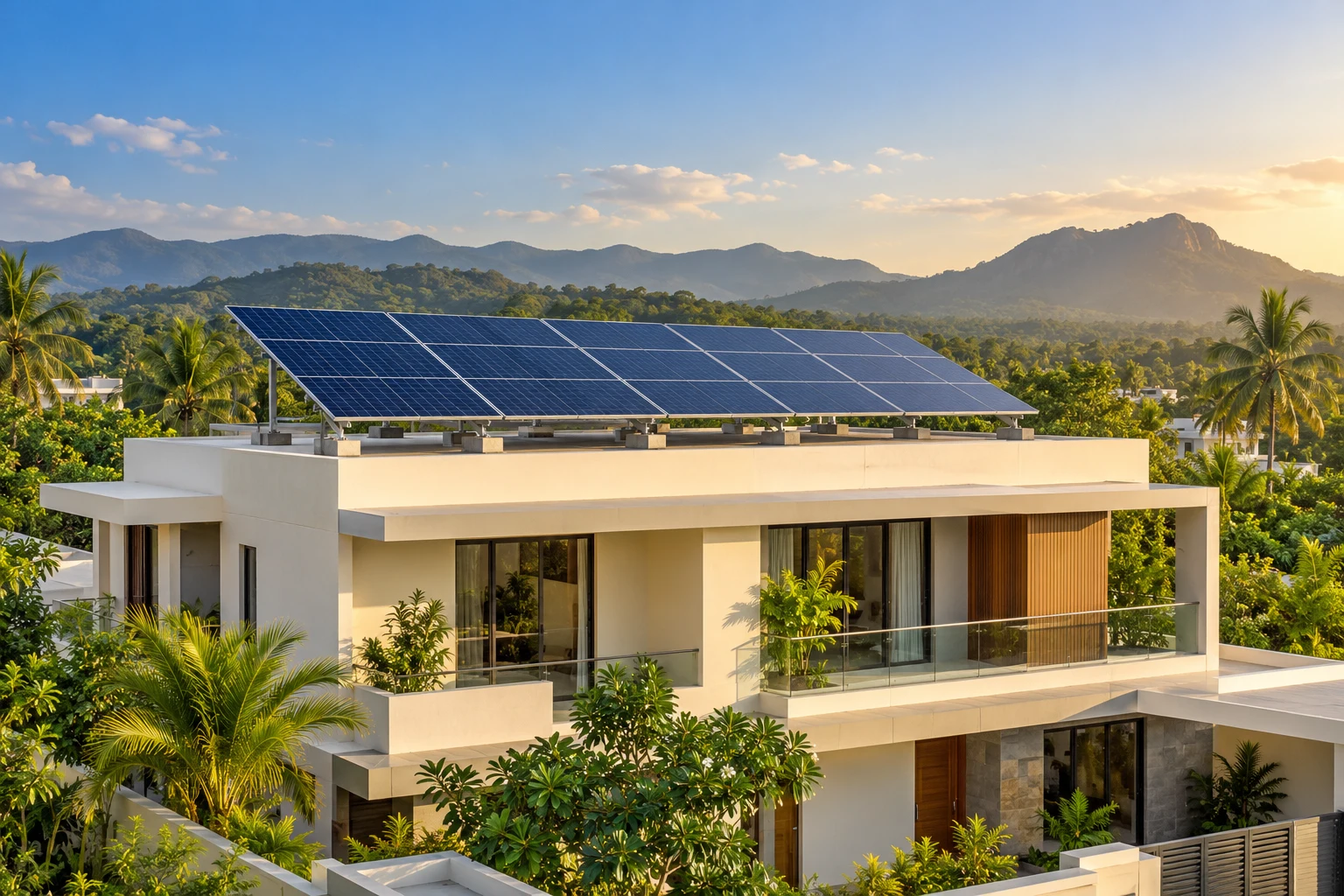
Battery storage can store solar energy for later use. Backup during an outage requires a compatible inverter, battery and correctly configured backup circuits; ordinary grid-tied solar alone does not provide this.
Roof condition, shade, access and electrical infrastructure are assessed before the design is finalised.
Your written proposal should explain component specifications, exclusions, warranties and installation responsibilities.
Utility requirements, inspection and commissioning depend on your location and the selected system.
A site survey checks the roof’s structure, usable area, shade, orientation and safe access. The installation design should be approved only after these conditions are assessed.
Pricing depends on system capacity, components, mounting structure, electrical work and site conditions. Request a written itemised proposal after a site assessment so every cost is tailored to your property.
A conventional grid-tied system normally shuts down during a grid outage for safety. Backup requires suitable battery storage, a compatible inverter and a properly designed backup circuit.
Start with a conversation. Build a plan that makes sense.