
Start with your roof
We discuss your goals, recent electricity use and the space you have.
Make room for a brighter future. Thoughtfully designed rooftop solar for the way you live and work.
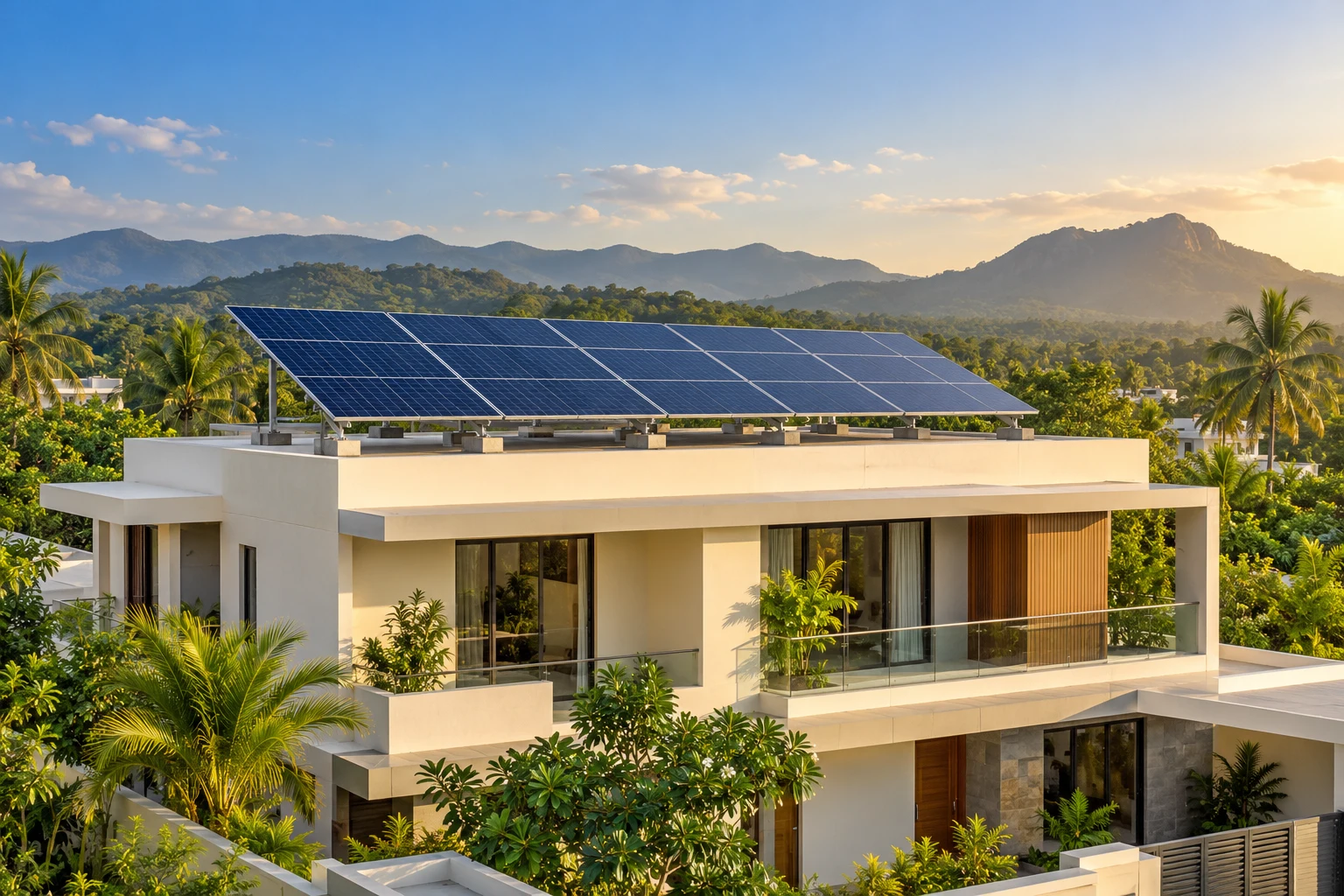
From your first home to your next business chapter, explore a solar solution that fits.
Turn an everyday rooftop into a source of clean electricity, with a system designed around your home and energy use.
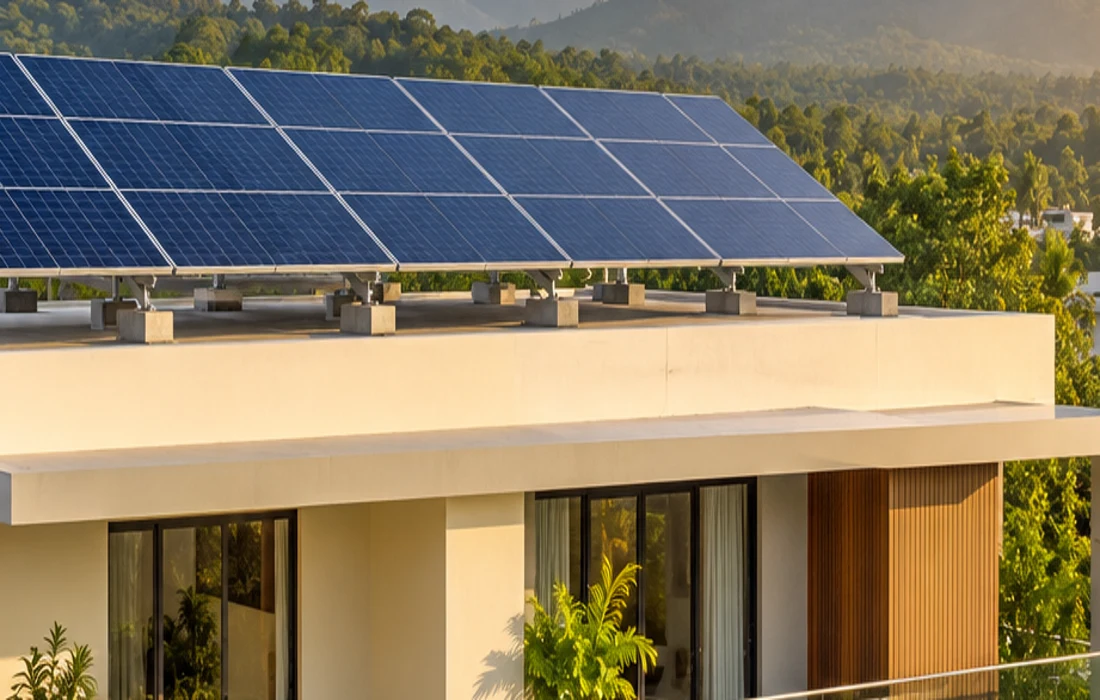
Make your roof work harder. Plan a rooftop system around operating hours, usable space and long-term energy needs.
Explore compatible battery storage and backup options, with clear guidance on what your system can support.
Keep your rooftop system understood and maintained with planned inspection, safe cleaning guidance and fault checks.
Going solar should feel like a well-informed step forward. We start with your roof, your routine and your questions.
Roof conditions and real electricity use shape a considered plan.
Know what is included, what it depends on and what comes next.
We discuss your goals, recent electricity use and the space you have.
Review a clear system layout, component selection and itemised scope.
Installation, electrical checks and commissioning follow the agreed plan.
Get a practical handover covering monitoring, maintenance and support.
Your electricity bill is a useful starting point. Explore a rough capacity estimate, then let a proper site assessment fill in the details.
Based on monthly bill ÷ tariff ÷ 30 days ÷ 4 kWh/kW/day average generation. Final system capacity is tailored after a physical rooftop and shading assessment.
Get a site-specific assessmentStraightforward explanations for the questions that matter.
A site survey checks the roof’s structure, usable area, shade, orientation and safe access. The installation design should be approved only after these conditions are assessed.
Pricing depends on system capacity, components, mounting structure, electrical work and site conditions. Request a written itemised proposal after a site assessment so every cost is tailored to your property.
A conventional grid-tied system normally shuts down during a grid outage for safety. Backup requires suitable battery storage, a compatible inverter and a properly designed backup circuit.
Panels can generate electricity in diffuse daylight, but output is lower than in strong direct sunlight. Seasonal weather and shading should be considered in the energy estimate.
Start with a conversation. Build a plan that makes sense.